Remodeling · Burbank, CA
Remodeling in Glendale, CA: Craftsman & Hillside Homes in the Jewel City
Glendale remodeling covers more architectural ground than almost anywhere else we work — Craftsman bungalows, Spanish and Mediterranean Revival homes, mid-century ranch tracts, and hillside houses climbing into the San Rafael Hills and Verdugo Mountains, each with its own remodeling logic. Glendale, immediately east of our Magnolia Boulevard base along Glenoaks Boulevard and San Fernando Road, is core coverage for Burbank Kitchen Remodel And Bath Co. At 196,543 residents across about 30.6 square miles, Glendale is the third-largest city in Los Angeles County.
Glendale is home to one of the largest Armenian-American communities in the United States, and it boomed in the 1920s — Grand Central Air Terminal opened in 1923 — leaving deep pockets of Craftsman and period-revival building in neighborhoods like Rossmoyne and Adams Hill alongside mid-century ranch housing across the flats. We work residential kitchens, baths, additions and whole-home projects across that whole range, from a Craftsman bungalow near Brand Boulevard to a hillside house in Chevy Chase Canyon.
Glendale incorporated as an independent city on February 16, 1906 and, like Burbank, runs its own building department rather than answering to LADBS or Burbank's Building Division. Its hillside neighborhoods add a layer the flat San Fernando Valley floor doesn't have — grading, drainage and Very High Fire Hazard Severity Zone rules — which we plan into every scope for a Verdugo or San Rafael Hills address before design begins.
Local Service
Craftsman, Spanish & Mid-Century Remodels
Glendale's period-rich stock means the right approach to a kitchen or bath depends heavily on which decade and neighborhood the house belongs to.
Kitchen Remodels in Craftsman & Spanish Revival Bungalows
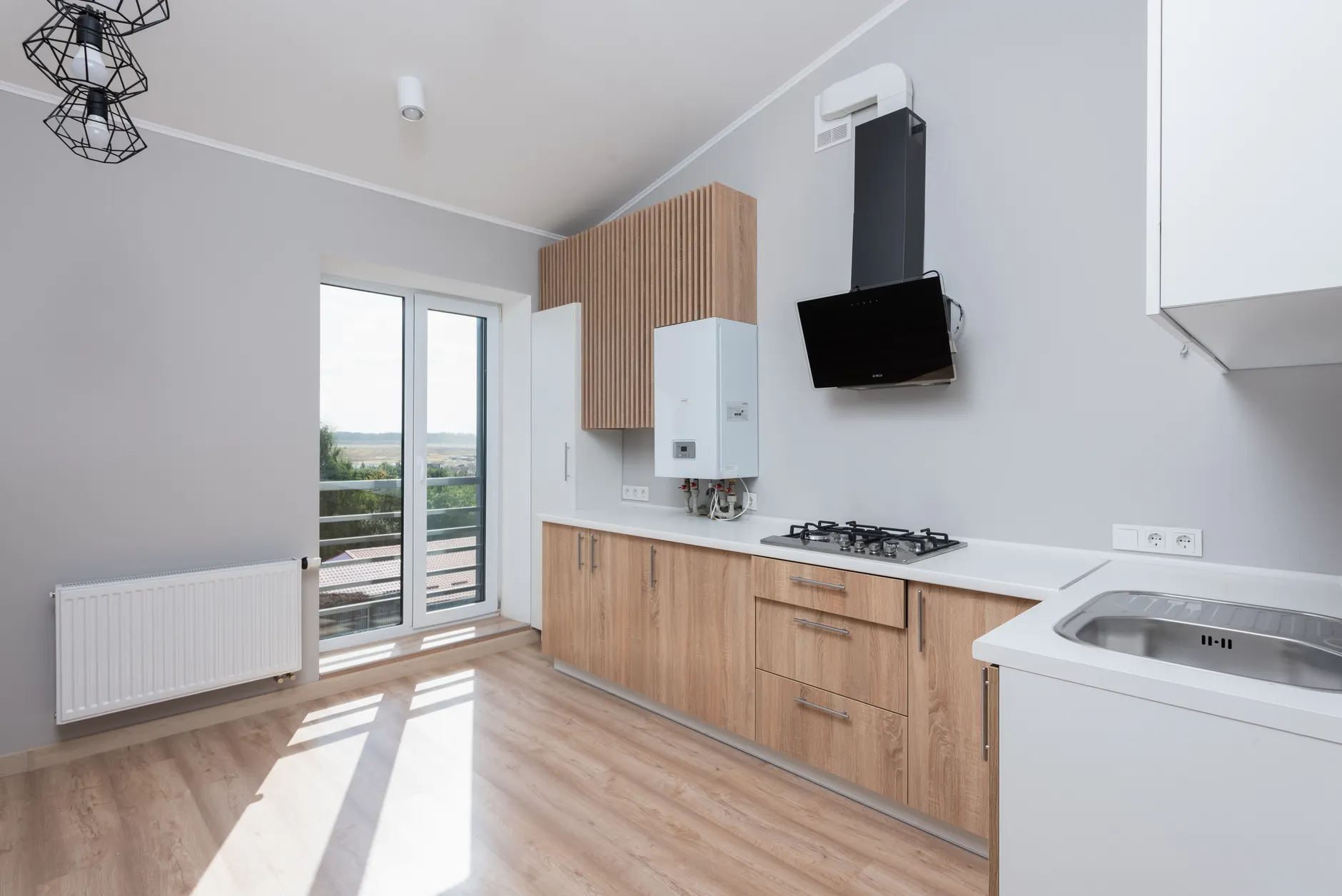
Rossmoyne and Adams Hill carry Glendale's deepest concentration of 1910s-1920s Craftsman bungalows and 1920s-30s Spanish Colonial and Mediterranean Revival homes, most built with small, compartmentalized kitchens that predate today's open layouts. Reworking one of these kitchens means opening the room where the structure allows it, adding cabinetry and an island, and updating countertops and a backsplash while respecting the home's original character.
A kitchen remodeling project in a Glendale Craftsman or Spanish home is designed in 3D so you see the finished layout before demolition, and priced in a written scope built to Title 24 and CALGreen. We confirm structure and routing on site before committing a figure, since century-old construction rarely matches the plans.
Bathroom Renovations for Mid-Century Ranch Homes
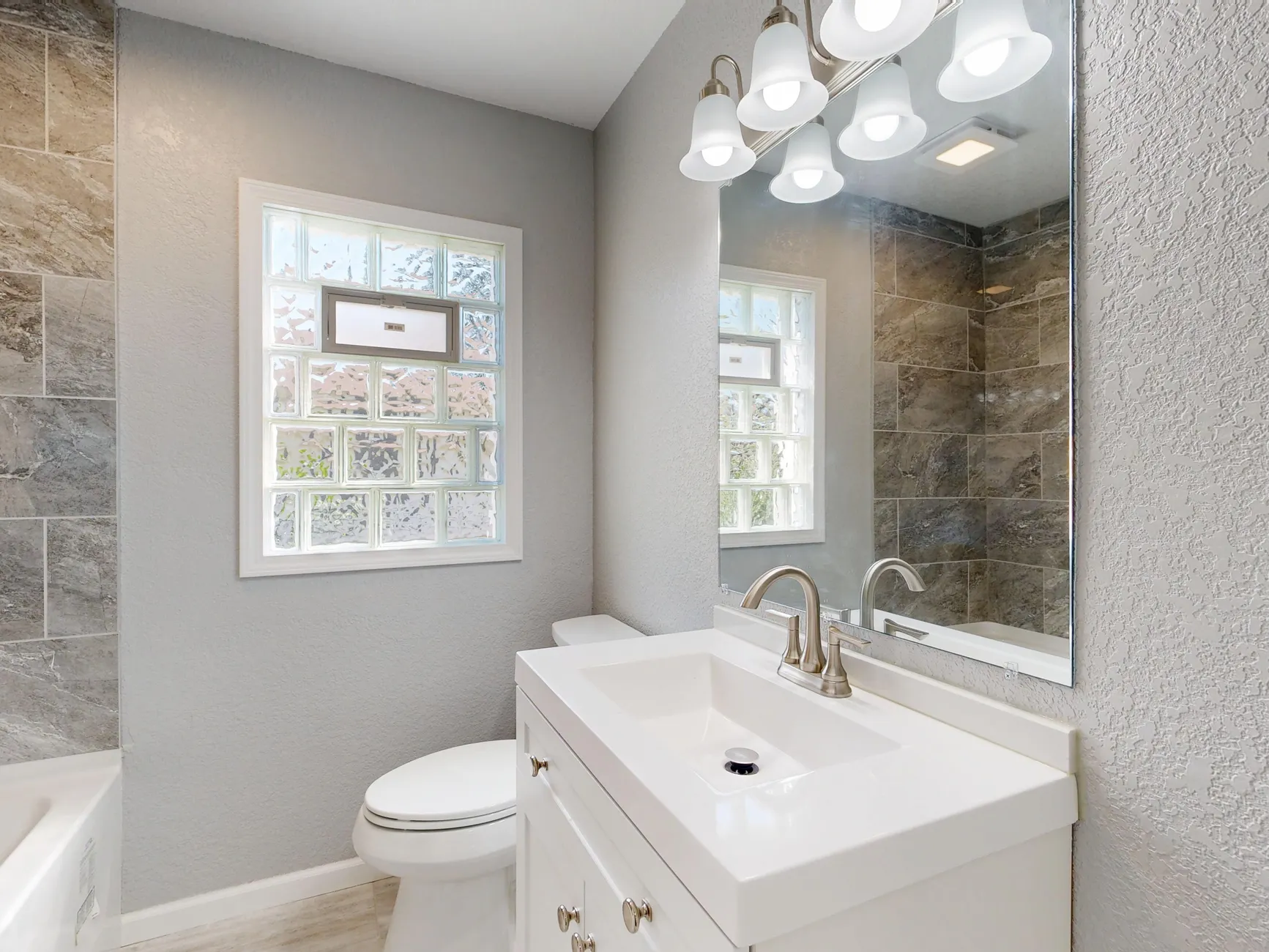
Glendale's flats carry extensive mid-century ranch and postwar housing where the original bathroom is often small, single, and close to its 1950s-60s layout. A gut-remodel — walk-in or curbless shower, a new vanity, tile and lighting — is the most common bathroom job we take on across these tracts.
Our bathroom remodeling work here is scoped against the actual footprint of a ranch-era home, then built to a fixed written estimate. We confirm every measurement on site before ordering fixtures, so a Glendale ranch bathroom is designed once and built once.
Open-Concept Conversions in Flatland Homes
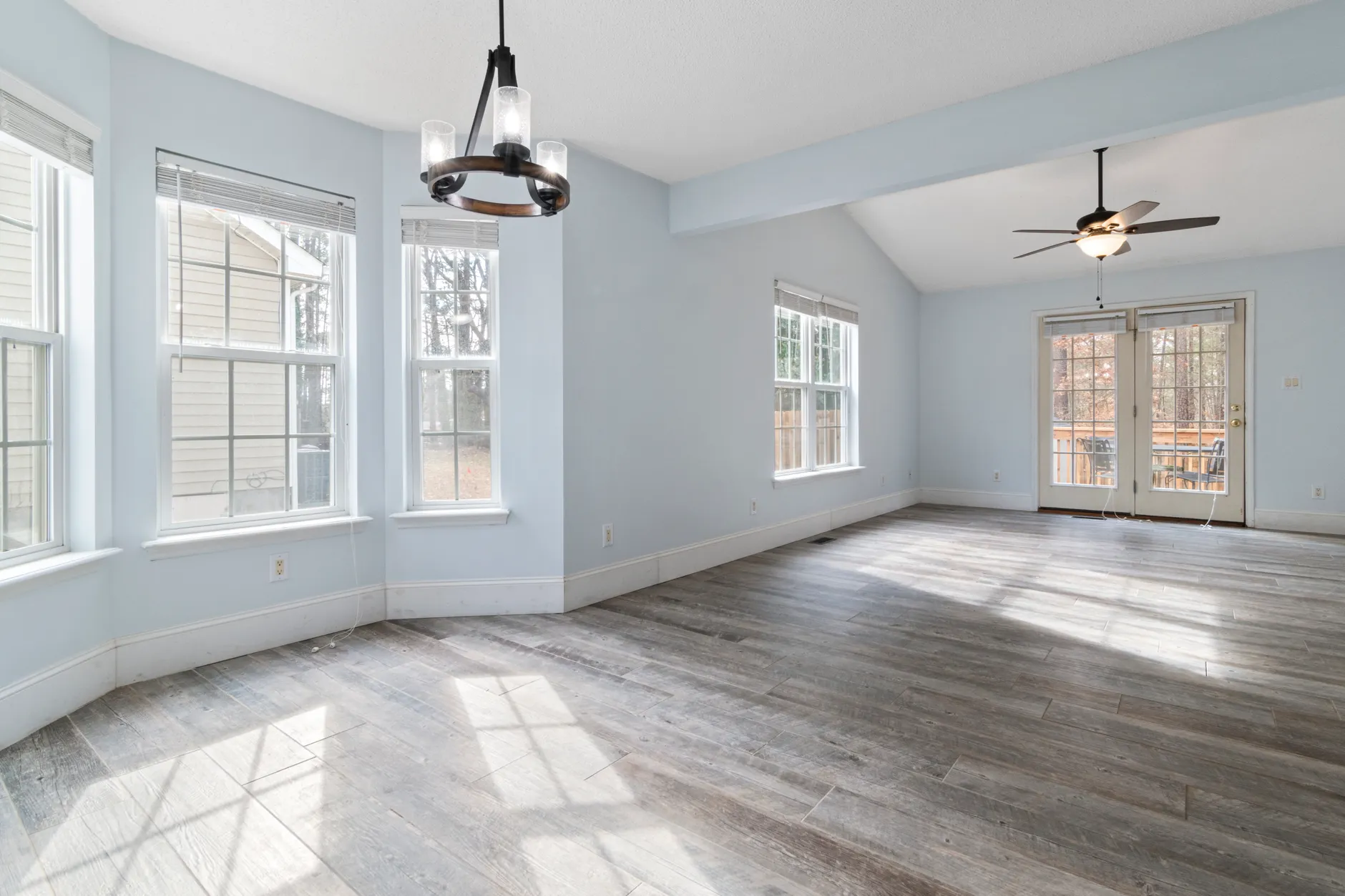
Glendale's ranch and mid-century flatland houses were often built with compartmentalized kitchens and living areas, and opening up that floor plan — removing a non-load-bearing wall, or adding a beam where one carries load — is one of the most common requests we get across the flats. It changes how a mid-century home lives without changing its footprint.
Our whole-home remodeling service handles open-concept conversions from design through permitting and construction under one team, so a multi-room Glendale project doesn't get split between a separate designer and a separate crew.
Local Service
Glendale's Own Building Department & Hillside Terrain
Permitting Through the City of Glendale, Not Burbank or LADBS
Glendale incorporated as an independent city on February 16, 1906 and, like Burbank next door, runs its own building and safety division rather than answering to LADBS or the City of Burbank Building Division. Plans go through the City of Glendale's Community Development Department for plan check, under the California Building Standards Code, Title 24 energy provisions and CALGreen.
We handle the City of Glendale's permitting process as part of every project here and put it in writing before construction starts, so a homeowner comparing our Burbank or North Hollywood coverage knows exactly which department their Glendale project answers to.
Additions in Chevy Chase Canyon, Glenoaks Canyon & the Verdugo Foothills
Glendale wraps the Verdugo Mountains and climbs into the San Rafael Hills, and hillside neighborhoods like Chevy Chase Canyon, Glenoaks Canyon and the upper Verdugo Woodlands fall under the city's hillside and grading rules and sit in Very High Fire Hazard Severity Zones, with wildland-urban-interface fire-hardening requirements on additions and rebuilds. That is a real layer of scope the flat Valley floor doesn't carry.
Our home additions team plans grading, drainage and fire-hardening requirements into a hillside Glendale project from the first visit, rather than discovering them once plans reach the city.
ADUs on Glendale's Flatland Lots
Statewide California ADU law applies citywide in Glendale, and the extensive mid-century ranch and postwar housing across the flats often has the deep, detached-garage lots that make a backyard unit or garage conversion feasible, distinct from the grading questions a hillside lot raises. We assess ADU feasibility against the specific parcel and the City of Glendale's process before you spend on design.
Where a lot doesn't support a unit — hillside grade, setback or drainage issues most often — we say so plainly rather than sell a design that stalls at plan check.
Local Service
Serving Glendale, from Brand Boulevard to the Verdugo Foothills
Neighborhoods We Cover Across 91201–91208
Our Glendale coverage takes in Downtown Glendale along Brand Boulevard, Rossmoyne, Verdugo Woodlands, Adams Hill, Chevy Chase Canyon, Glenoaks Canyon, Sparr Heights and Northwest Glendale, out to the boundary streets of Central Avenue, Colorado Street and San Fernando Road. Glendale sits immediately east of our Magnolia Boulevard base in Burbank, so it is everyday coverage rather than an occasional trip.
Because we work Glendale regularly, we know which neighborhoods sit on the flats and which climb into hillside fire zones, so we can flag the likely scope early. We also serve neighboring Toluca Lake and North Hollywood, so if you are comparing coverage, those pages show how each city's own permitting differs from Glendale's.
Booking a Free Consultation in Glendale
Our base at 1006 Magnolia Blvd in Burbank is a short run east along Glenoaks Boulevard into Glendale, so scheduling an in-home visit is easy anywhere from Brand Boulevard to the Verdugo foothills. Every Glendale project starts the same way: a free consultation, a measured look at what the house and lot allow, a 3D design, and a written estimate with a fixed scope before any demolition.
Call (747) 350-1456 any time — the line is answered around the clock for consultations. If you are updating floors throughout a Craftsman or ranch home, our flooring page covers hardwood, luxury vinyl plank and tile options, or see all our services.
Period Kitchens and Baths Across Glendale's Housing Range
Glendale's range of housing — Craftsman bungalows and Spanish Revival homes in Rossmoyne and Adams Hill, mid-century ranch tracts across the flats, and larger houses climbing into the San Rafael Hills and Verdugo Mountains — is what makes our kitchen remodeling and bathroom remodeling work here so varied, from period-sensitive bungalow kitchens to open-concept ranch conversions.
Hillside Additions, Flatland ADUs and Whole-Home Work
Hillside lots add grading and fire-zone requirements to any home addition, while flatland lots more often support an ADU or garage conversion, and multi-room whole-home remodeling covers the rest.
Glendale's Own Building Department and the Neighboring Cities
Glendale is its own independent city with its own building department, distinct from the City of Burbank Building Division and from LADBS — see all our services for the full list. We also serve neighboring Toluca Lake and North Hollywood, where the permitting authority is different again. For the wider East San Fernando Valley coverage we run from Magnolia Boulevard, visit home.
Service Area
Serving Glendale & Nearby
Frequently Asked Questions
What parts of Glendale do you cover?
We cover all of Glendale's 91201, 91202, 91205, 91206, 91207 and 91208 ZIP codes — Downtown Glendale along Brand Boulevard, Rossmoyne, Verdugo Woodlands, Adams Hill, Chevy Chase Canyon, Glenoaks Canyon, Sparr Heights and Northwest Glendale. Glendale sits immediately east of our Magnolia Boulevard base in Burbank, so it is part of our everyday coverage rather than a special trip. If you are unsure which ZIP your address falls in, give us the street and we will confirm it before scoping anything.
Do you handle permits for a Glendale remodel?
Yes. Glendale incorporated as an independent city on February 16, 1906 and runs its own building and safety division, so remodeling permits and plan check go through the City of Glendale's Community Development Department — not the City of Burbank Building Division across the line, and not LADBS. We handle that process as part of every Glendale project and set it out in writing before construction begins, under the California Building Standards Code, Title 24 and CALGreen.
Why does Glendale have so many different housing styles?
Glendale boomed in the 1920s, when Grand Central Air Terminal opened in 1923 and Craftsman and period-revival building shaped neighborhoods like Rossmoyne and Adams Hill, and it later filled in with extensive mid-century ranch and postwar housing across the flats plus larger hillside houses in the San Rafael Hills and Verdugo foothills. That range means a kitchen or bath remodel calls for a different approach depending on the decade and neighborhood — a Craftsman bungalow, a ranch tract home and a hillside house each have their own structural and permitting considerations. A 1920s Craftsman or Spanish Revival home often still carries original knob-and-tube wiring or galvanized plumbing that needs updating before a kitchen or bath reaches current code, while a hillside house is more likely to need grading and drainage review instead of a systems overhaul.
How is a hillside Glendale remodel different from one on the flats?
Glendale wraps the Verdugo Mountains and climbs into the San Rafael Hills, and neighborhoods like Chevy Chase Canyon, Glenoaks Canyon and the upper Verdugo Woodlands fall under the city's hillside and grading rules and sit in Very High Fire Hazard Severity Zones, adding wildland-urban-interface fire-hardening requirements to additions and rebuilds. Flatland neighborhoods carry no such overlay. We plan grading, drainage and fire-hardening into any hillside scope from the first visit, which is not a consideration on a Rossmoyne bungalow or a flatland ranch home.
Can you build an ADU in Glendale?
Often, yes — statewide California ADU law applies citywide, and Glendale's extensive mid-century ranch and postwar lots on the flats frequently have the depth and detached-garage setup a backyard unit or garage conversion needs. Hillside lots raise separate grading and fire-zone questions that can limit feasibility. We assess a specific Glendale property honestly during the consultation and say plainly when a lot doesn't support a unit rather than sell a design that stalls at the City's plan check.
What does Glendale's Armenian-American community have to do with remodeling?
Glendale is home to one of the largest Armenian-American communities in the United States, which shapes the neighborhood culture and homeowner base we work with across the city, particularly in and around Downtown Glendale. It doesn't change the building code or the permitting process, but it is part of why Glendale has such a strong, established base of well-kept Craftsman, Spanish Revival and mid-century homes that owners want renovated rather than replaced. That multigenerational household pattern often shows up in the floor plan requests we get, too — larger kitchens built for hosting, and a second full bathroom added or expanded to serve an extended family living under one roof.
What should I look for before hiring a remodeler in Glendale?
Judge a remodeler on process: do they confirm which of Glendale's neighborhoods your home sits in — flats or hillside — before scoping anything, provide a 3D design so you see the finished room before demolition, and hand you a written, fixed-scope estimate before work starts? Ask how they plan for the City of Glendale's own permitting process versus Burbank's or LADBS, and ask to see how a comparable hillside or flatland project was sequenced. We answer all of that directly during the free in-home consultation.
How long does a typical Glendale kitchen or bathroom remodel take?
A mid-range kitchen remodel typically runs four to eight weeks on site, and a full bathroom renovation typically runs three to six weeks, once permits are in hand. Hillside additions in Chevy Chase Canyon or Glenoaks Canyon commonly add time for grading, drainage engineering and fire-hardening review that a flatland project doesn't need, so we give a project-specific timeline in your written estimate rather than a generic figure that ignores where your address sits. Plan check with the City of Glendale's Community Development Department typically adds several weeks on top of construction time before a permit is issued, and that review can run longer for a hillside address that also needs grading or fire-zone sign-off.
Do you do open-concept wall removals in Glendale's ranch homes?
Yes, it's one of our most common requests across Glendale's flats. Mid-century ranch and postwar homes were often built with compartmentalized kitchens and living areas, and removing a non-load-bearing wall — or adding an engineered beam where one carries load — opens the floor plan without changing the home's footprint. We confirm what the structure actually allows on site before committing to a design, since not every wall in a mid-century home is safe to remove without support.
Is remodeling in a Very High Fire Hazard Severity Zone more complicated?
Yes, for additions and rebuilds specifically. Glendale's hillside neighborhoods in the San Rafael Hills and Verdugo Mountains sit in Very High Fire Hazard Severity Zones, which triggers wildland-urban-interface, Chapter 7A fire-hardening requirements on qualifying work — things like ignition-resistant materials and vent detailing that a flatland remodel never encounters. We identify whether your Glendale address falls in that zone during the consultation and build the fire-hardening requirements into the written scope from the start.
How far in advance should I schedule a consultation?
Call as soon as you are seriously considering a project. The free in-home consultation is when we confirm whether your address is on the flats or in a hillside fire zone, walk the house, and begin the measured drawings a written estimate depends on. There is no obligation attached to the visit, and giving us the address ahead of time lets us come prepared with the right City of Glendale requirements already in mind.
Remodel Your Glendale Home the Right Way
Craftsman bungalow, mid-century ranch or a hillside addition — call (747) 350-1456 for a free consultation and written estimate.
(747) 350-1456